 TR
TR GB
GB RU
RU DE
DE AZ
AZThe Power of a Touch: Sponsorship, Ethical Stance, and the Moment a Life Changes
Sometimes what changes a person's life is not great opportunities, but a single sentence said at the right moment.
When I was preparing for university, a psychological counselor once said to me:
“You do not need a crutch to exist. You can stand on your own feet.”
That sentence was not just a motivational phrase. When someone truly believes in you, sees you, and lets you feel it, it creates a completely different feeling. Sometimes a person cannot even believe in themselves, but the trust someone else places in you opens a new door inside. As the years passed, the meaning of that sentence in my life grew even stronger. Because that sentence was actually about one thing: touching human potential.
Today, when I look at social responsibility projects and sponsorship initiatives, I feel the same emotion. Supporting a project often means touching a human life.
This becomes even clearer when we think about girls growing up in rural villages. A girl studying in a village school sometimes believes that the world is only as big as the place she lives in. If no one tells her, “You can do it too; you can have a goal,” that potential often fades away silently.
But one day a counselor arrives.
An educational program begins.
A project starts.
And for the first time, that girl asks herself a question:
“What could I really become?”
Maybe that day she dreams of becoming an engineer.
Maybe a teacher.
Maybe a scientist.
But in reality, what changes is not the profession. What changes is the way a child sees herself.
This is why projects for girls, scholarship programs, and social responsibility initiatives are not simply acts of charity. They create moments that change the direction of a person's life.
At this point, institutions play a very important role. When organizations provide sponsorship, they do not only fund a project. They also send a message:
“We are not only a business; we have a responsibility toward society.”
Organizations that build strong connections with society are remembered not only for economic success but also for their values. Especially projects supporting girls’ education, equal opportunity, and youth development become one of the most meaningful social legacies an institution can leave behind.
For counselors, these initiatives reveal the most meaningful dimension of the profession. Counseling is not only about analysis. Sometimes it is about showing a child a goal for the first time, helping them gain confidence, or simply telling them, “You can succeed.”
When we think about it today, a natural question arises:
Could we build a more systematic model for students who do not have sufficient economic opportunities?
Perhaps students selected from village schools…
Perhaps young people preparing for university…
Perhaps children who have never had the chance to discover their talents…
A counseling support system.
Career guidance.
A mentorship process.
And maybe, for the first time in their lives, a path that allows them to truly believe in themselves.
If institutions, counselors, and civil society organizations come together around this idea, what emerges will not simply be a project but a model — sustainable, measurable, and scalable.
Because sometimes a project changes one child’s life.
But a well-designed model can change the future of thousands.
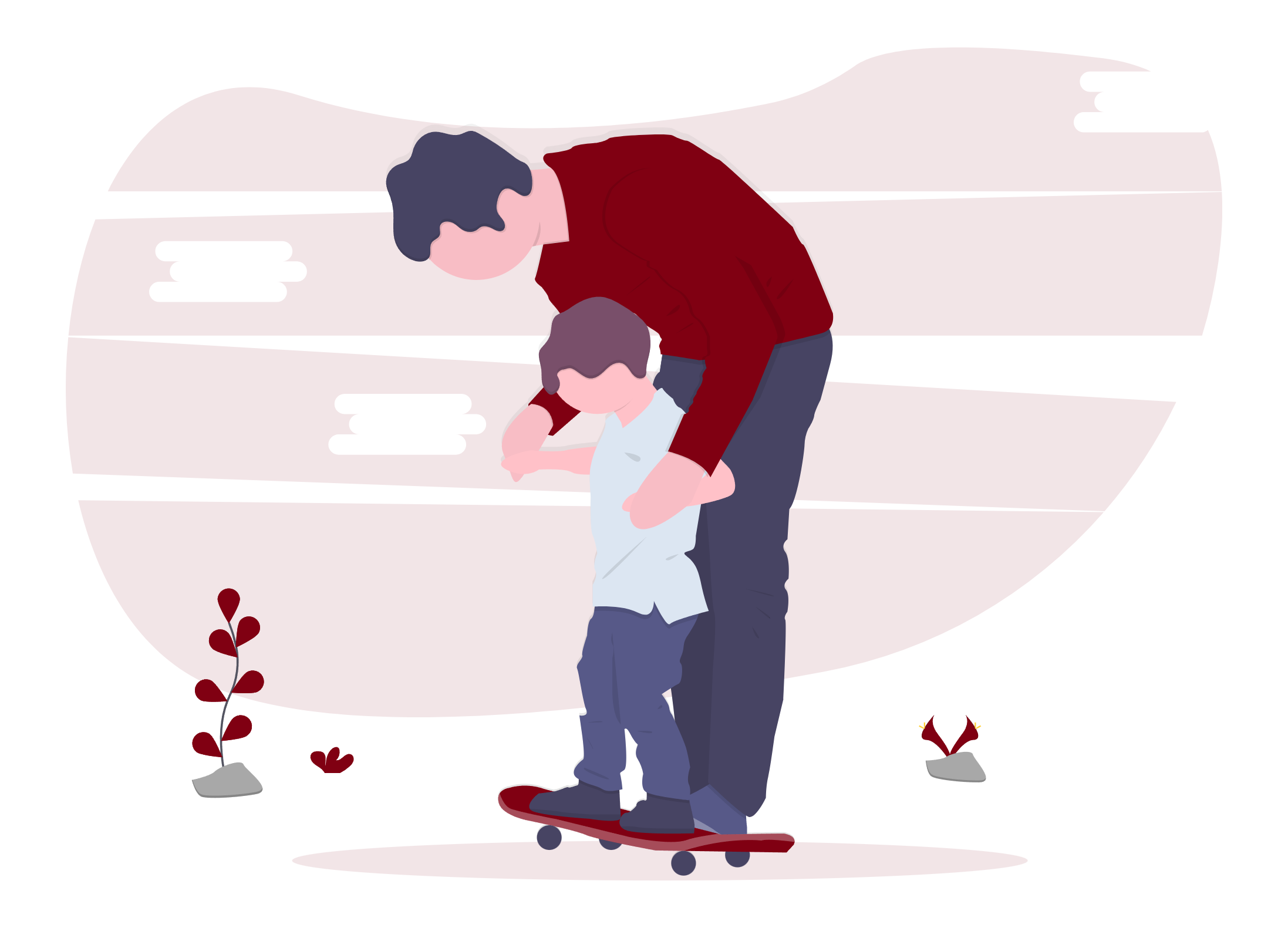
Perhaps the whole issue comes down to this:
Helping a child feel they are not alone.
Showing them a goal.
And telling them:
“You do not need a crutch to exist.
You can stand on your own feet.”
And sometimes, a life begins exactly with that sentence.